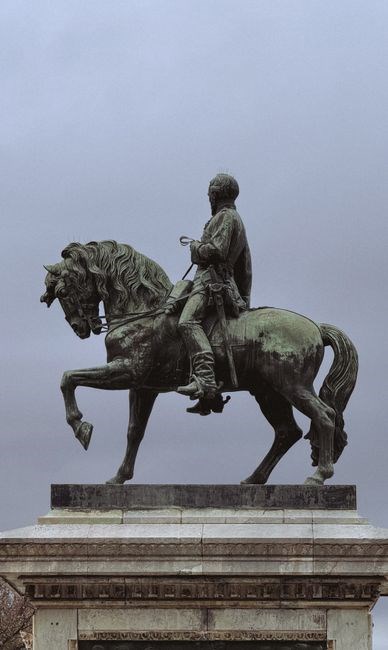
Unit 5 Overview: Revolutions 1750-1900
Unit 5 explores the 1750-1900 era of revolutions‚ linking Enlightenment ideas to Atlantic upheavals and the Industrial Revolution. It outlines key thinkers‚ events‚ and global impacts‚ offering study tips‚ timelines‚ and comparative frameworks for AP World History. It highlights causes‚ effects‚ and lessons !!!
Scope and Historical Context
Unit 5 examines a pivotal half‑century marked by ideological upheaval‚ territorial reconfigurations‚ and technological acceleration. The period from 1750 to 1900 witnessed the diffusion of Enlightenment rationalism across the Atlantic‚ the rise of nation‑states‚ and the onset of industrial capitalism. Scholars trace how philosophical currents—emphasizing reason‚ individual rights‚ and empirical inquiry—challenged entrenched hierarchies in Europe‚ the Americas‚ and beyond. In the British colonies‚ debates over representation and liberty sparked the American Revolution‚ while the French Revolution redefined sovereignty and citizenship. Simultaneously‚ Latin American leaders invoked Enlightenment principles to dismantle colonial rule‚ forging independent republics. Across the globe‚ the Industrial Revolution reshaped labor‚ urbanization‚ and global trade networks‚ creating new social tensions that would later fuel revolutionary sentiment. This unit situates these events within a broader narrative of global interconnectedness‚ illustrating how ideas and material conditions crossed borders‚ influencing each other in a dynamic feedback loop. By mapping the chronology of revolutions‚ intellectual movements‚ and economic transformations‚ students gain a comprehensive understanding of how 1750‑1900 reshaped political‚ social‚ and economic landscapes worldwide. Students will also analyze primary sources‚ evaluate historiographical debates‚ and assess the long‑term legacies of these revolutions on contemporary global structures. Technology’s impact on revolutionary change is a focus daily !.
Learning Objectives
Students will: 1) Identify key Enlightenment thinkers and explain how their ideas catalyzed political change across the Atlantic world. 2) Analyze the causes‚ major events‚ and outcomes of the American‚ French‚ and Latin American revolutions‚ noting similarities and divergences. 3) Evaluate the role of industrialization in shaping revolutionary movements and social structures. 4) Compare Western and non‑Western revolutions‚ assessing the influence of local traditions‚ colonial legacies‚ and global networks. 5) Construct accurate timelines that integrate intellectual‚ political‚ and economic developments. 6) Apply comparative analysis frameworks to assess the long‑term impacts of revolutions on modern nation‑state formation‚ citizenship‚ and global power dynamics. 7) Critically assess primary sources‚ historiographical debates‚ and contemporary interpretations of revolutionary events. 8) Develop study strategies for AP World History‚ including mnemonic devices‚ concept mapping‚ and thematic essay planning. 9) Reflect on the ethical dimensions of revolutionary change‚ considering human rights‚ equality‚ and the costs of conflict. 10) Synthesize knowledge to articulate how the period 1750‑1900 reshaped global political‚ social‚ and economic landscapes. By mastering these objectives‚ students will be equipped to critically engage with primary documents‚ construct nuanced arguments‚ and appreciate the interconnectedness of global revolutionary processes‚ thereby enhancing their analytical skills for both examinations and broader historical inquiry. today!!
Intellectual Foundations: The Enlightenment
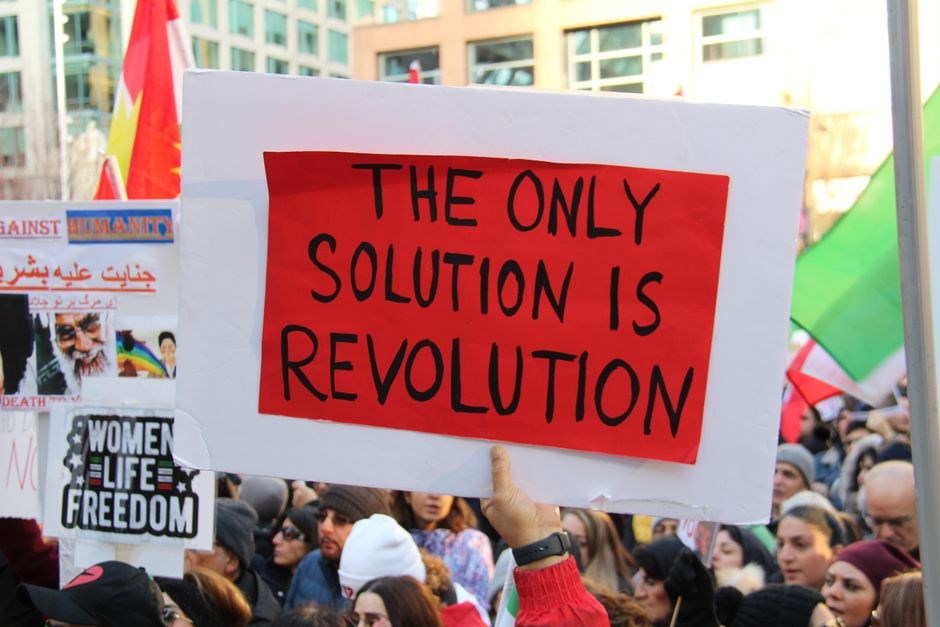
The Enlightenment fostered reason‚ individual rights‚ and empirical inquiry‚ reshaping political thought. Thinkers like Locke‚ Montesquieu‚ Rousseau challenged authority‚ inspiring democratic ideals that fueled revolutions across the Atlantic world Its focus on liberty‚ equality sparked change global worldwide.
Key Philosophers and Ideas
Central Enlightenment thinkers—John Locke‚ Montesquieu‚ Jean-Jacques Rousseau‚ Voltaire‚ David Hume‚ Immanuel Kant—shaped revolutionary ideology. Locke’s tabula rasa and natural rights theory argued that government exists to protect life‚ liberty‚ property‚ and that consent of the governed is essential. Montesquieu’s Spirit of the Laws introduced the separation of powers‚ warning that unchecked authority breeds tyranny. Rousseau’s Social Contract proclaimed that sovereignty resides in the general will‚ demanding popular participation and equality. Voltaire championed civil liberties‚ criticized absolutism‚ and promoted religious tolerance‚ while Hume’s empiricism underscored observation over metaphysics‚ influencing rational critique of tradition. Kant’s Perpetual Peace called for republican constitutions‚ universal rights‚ and cosmopolitanism framing international cooperation. These ideas converged to inspire calls for constitutional governance‚ democratic representation‚ and human rights across the Atlantic world‚ directly fueling the American‚ French‚ and Latin American revolutions.
These Enlightenment concepts also influenced colonial societies‚ inspiring debates on citizenship‚ property rights‚ and the legitimacy of sovereign power. The spread of printed pamphlets and journals accelerated the diffusion of ideas‚ while salons flourished. Moreover‚ the emphasis on scientific method encouraged empirical studies of economics‚ politics‚ and human laying groundwork for modern social sciences.

Major Revolutionary Movements
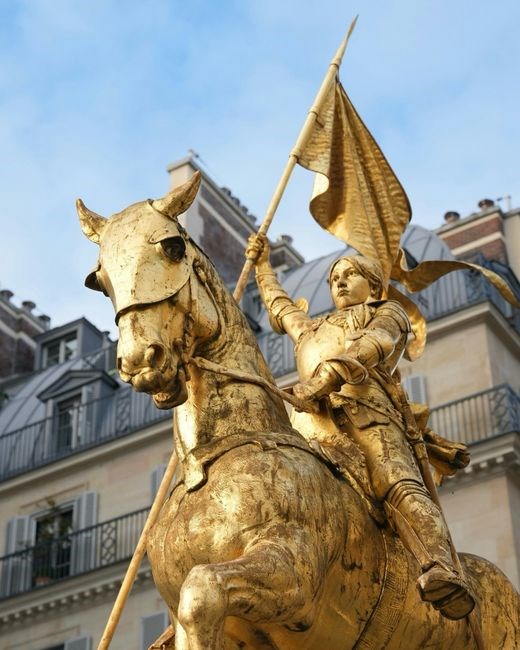
Unit 5 examines the American‚ French‚ and Latin American revolutions‚ highlighting their causes‚ key events‚ and lasting impacts. It explores how Enlightenment ideals sparked political change‚ the struggle for independence‚ and the reshaping of global power dynamics. It covers nationalism and democratic ideals worldwide todayfor.

American Revolution (1775‑1783)
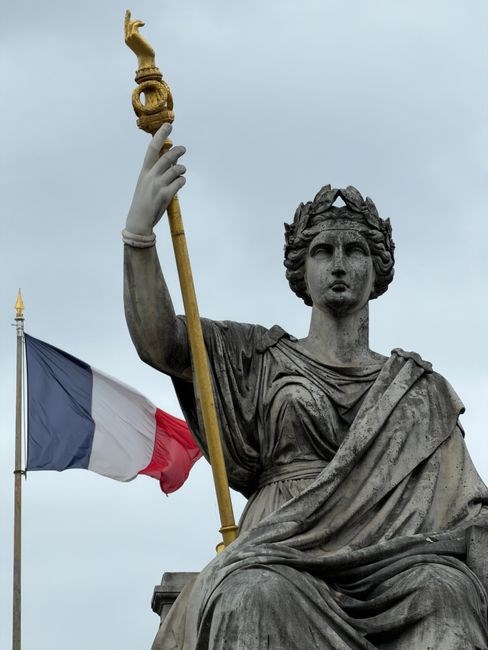
American Revolution (1775‑1783) marked the colonies’ break from British rule‚ driven by taxation without representation‚ Enlightenment ideals‚ and economic grievances. The conflict began with the Battles of Lexington and Concord‚ where colonial militia confronted British troops‚ igniting a war that spread across New England‚ the Middle‚ and Southern colonies. Key figures—George Washington‚ Thomas Jefferson‚ Benjamin Franklin‚ and John Adams—shaped strategy‚ diplomacy‚ and ideology. Washington’s leadership at Valley Forge and the decisive victory at Yorktown‚ aided by French military and naval support‚ sealed American success. The war’s ideological core drew on Locke’s natural rights‚ Montesquieu’s separation of powers‚ and Rousseau’s social contract‚ crystallized in the Declaration of Independence (1776). The conflict reshaped global politics: it inspired revolutions in France and Latin America‚ challenged monarchical absolutism‚ and set a precedent for democratic governance. The Treaty of Paris (1783) ended hostilities‚ recognizing American sovereignty and granting extensive territorial gains. The Revolution also spurred debates over slavery‚ federalism‚ and the role of government‚ leading to the Constitution’s creation. Its legacy endures in the United States’ identity as a nation founded on liberty‚ equality‚ and the pursuit of happiness. Moreover‚ the war accelerated the abolitionist movement in the North‚ intensified debates over the balance of power between state and federal governments‚ and influenced the drafting of the Bill of Rights. The Revolution’s success also prompted Britain to reassess its colonial policies‚ leading to the eventual decline of its empire and the rise of new global powers. The American Revolution’s narrative continues to be taught as a foundational story of democratic ideals‚ inspiring subsequent movements worldwide and shaping the modern understanding of citizenship‚ rights‚ and governance.
French Revolution (1789‑1799)
Beginning with the storming of the Bastille on July 14‚ 1789‚ the French Revolution unfolded as a radical transformation of French society‚ politics‚ and culture. The Estates‑General convened in May 1789‚ leading to the National Assembly’s assertion of sovereignty and the Declaration of the Rights of Man and of the Citizen‚ which enshrined liberty‚ equality‚ and fraternity. The Revolution progressed through phases: moderate constitutional monarchy (1791‑1792) and radical Jacobin era (1793‑1794) the Reign of Terror‚ and Thermidorian Reaction (1794‑1795) that curtailed extreme measures. Key figures included Maximilien Robespierre‚ Georges Danton‚ and Jean-Paul Marat‚ whose speeches and policies intensified ideological fervor. The Committee of Public Safety‚ under Robespierre‚ centralized power‚ instituted the Revolutionary Tribunal‚ and enacted the Law of Suspects‚ leading to mass executions by guillotine. The rise of Napoleon Bonaparte in 1799‚ through the Coup of 18 Brumaire‚ ended the Revolution and established the Consulate‚ laying groundwork for the First French Empire. The Revolution’s legacy reshaped Europe: it abolished feudal privileges‚ promoted secularism‚ and inspired nationalist movements across the continent. It also introduced new legal frameworks‚ such as the Napoleonic Code‚ which codified civil law principles that persist in many modern legal systems. The French Revolution remains a pivotal chapter in world history‚ illustrating the power of popular mobilization‚ the dangers of radicalism‚ and the enduring quest for democratic governance.
Latin American Wars of Independence (1810‑1825)
Latin American Wars of Independence (1810‑1825) marked the collapse of Spanish and Portuguese colonial rule across the Americas. Inspired by Enlightenment ideals and the American and French Revolutions‚ local elites‚ creoles‚ and mixed‑race populations mobilized against imperial authority. Key figures such as Simón Bolívar‚ José de San Martín‚ Miguel Hidalgo‚ and Bernardo O’Higgins led campaigns that combined guerrilla tactics‚ diplomatic alliances‚ and ideological rhetoric. The early uprising in Mexico under Hidalgo in 1810 sparked a protracted insurgency that eventually culminated in the Treaty of Córdoba (1821)‚ recognizing Mexican sovereignty. In South America‚ Bolívar’s Gran Colombia‚ Peru‚ and Venezuela achieved independence through coordinated military strategy and the establishment of provisional governments. The wars were characterized by shifting loyalties‚ internal divisions‚ and the influence of foreign powers‚ notably Britain‚ which supplied arms and support. The independence movements also addressed issues of slavery‚ indigenous rights‚ and land reform‚ though many newly formed republics retained oligarchic structures. The period concluded with the dissolution of the Spanish Empire in the Americas‚ the creation of new nation‑states‚ and the spread of republican ideals that reshaped the Western Hemisphere’s political landscape. The wars also triggered economic restructuring‚ as former colonial trade monopolies were dismantled and new commercial policies were enacted to integrate the economies into global markets. Intellectual currents such as liberalism and nationalism permeated the rhetoric of independence leaders‚ who drafted constitutions that emphasized individual rights‚ separation of powers‚ and secular governance. However‚ the transition was uneven; many regions experienced civil strife‚ coups‚ and the rise of caudillos who consolidated power. The legacy of the independence wars is evident in contemporary Latin American political culture‚ where debates over federalism versus centralism‚ land distribution‚ and the role of the church continue to echo the revolutionary era. Moreover‚ the independence movements fostered a sense of shared Latin American identity that later influenced 20th‑century movements for social justice and anti‑colonialism. The period also set precedents for constitutional law‚ as many new republics adopted constitutions modeled after the U.S. and French examples‚ embedding principles of liberty‚ equality‚ and the rule of law.

Non-Western Revolutions and Global Interconnections
Non‑Western revolutions‚ such as the 1911 Xinhai Revolution in China and the 1947 Indian independence movement‚ illustrate how global ideas of liberty and industrial change spread beyond Europe. These movements intertwined with Atlantic revolutions‚ creating a worldwide network of reform and resistance and hope!!.
Revolutions in the Atlantic World
From the late eighteenth to the early twentieth century‚ the Atlantic basin witnessed a cascade of transformative upheavals that reshaped political‚ social‚ and economic landscapes. The American Revolution (1775‑1783) ignited a new nation grounded in Enlightenment ideals of liberty‚ equality‚ and self‑governance‚ and its success inspired subsequent movements across the hemisphere. The French Revolution (1789‑1799) amplified radical demands for citizenship‚ secularism‚ and the abolition of feudal privileges‚ and its revolutionary fervor reverberated through European courts and colonial administrations alike. In the Caribbean‚ the Haitian Revolution (1791‑1804) became the first successful slave revolt‚ overthrowing colonial rule and establishing the world’s first independent black republic‚ thereby challenging entrenched systems of racial hierarchy and property. The Haitian outcome also prompted a reevaluation of colonial economics‚ influencing debates about slavery and emancipation in the United States and Britain. The Latin American wars of independence (1810‑1825) drew heavily on the ideological currents of the American and French revolutions‚ as leaders such as Simón Bolívar and José de San Martín mobilized nationalist sentiments to dismantle Spanish and Portuguese hegemony. These movements were not isolated; they were interconnected through transatlantic networks of ideas‚ trade‚ and migration‚ creating a dynamic feedback loop that accelerated the diffusion of revolutionary thought. The Atlantic revolutions collectively underscored the potency of Enlightenment philosophy‚ the limits of colonial power‚ and the universal yearning for self‑determination‚ setting the stage for the global transformations that would follow in the nineteenth and twentieth centuries. These revolutions spurred movements‚ reshaped trade routes‚ and laid groundwork and unity of change for nation‑states‚ illustrating Atlantic revolutionary ideals.!! Their legacy fuels contemporary debates.
Industrial Revolution and Social Change
The Industrial Revolution‚ from the late eighteenth to early twentieth century‚ reshaped societies by mechanizing production—steam engines‚ spinning jennys‚ and power looms—shifting labor from farms to factories. This urban migration created a working class demanding better wages‚ hours‚ and living conditions‚ sparking trade unions and socialist ideas. Rapid urbanization led to overcrowded housing‚ sanitation crises‚ and public health reforms. Global trade expanded as raw materials flowed from colonies to industrial centers‚ reinforcing imperial dominance. Technological advances like the telegraph and railways connected distant regions‚ accelerating idea exchange. Women entered factories in large numbers‚ challenging gender norms and fueling early feminist advocacy. The era’s economic growth produced class identities and labor relations that required legal reforms. By the early twentieth century‚ industrialization had fundamentally altered class structures‚ governance‚ and the global economy‚ laying groundwork for future social revolutions. Child labor was rampant‚ with children as young as five working long hours in hazardous conditions‚ prompting early labor legislation. Factory accidents were frequent‚ leading to public outcry and the establishment of safety regulations. The rise of wage labor also intensified class consciousness‚ inspiring movements such as Chartism in Britain and the Knights of Labor in the United States. Moreover‚ the industrial boom spurred scientific research‚ giving rise to new theories in physics and chemistry that would later underpin further technological breakthroughs. The period also witnessed the spread of mass education‚ as governments recognized the need to train a skilled workforce‚ leading to compulsory schooling laws in many countries. These reforms laid the foundation for modern welfare states and shaped the trajectory of 20th-century social policy and global governance!!
Study Strategies for AP World History
Master Unit 5 by building a detailed timeline‚ linking events to Enlightenment ideas‚ and comparing revolutions across regions. Use mnemonic devices‚ flashcards‚ and practice essays to reinforce causal chains. Analyze primary sources for bias and practice comparative tables to spot patterns. Review key dates weekly.!!

Timeline Creation Techniques

Creating a coherent timeline for Unit 5 requires a systematic approach that blends chronological precision with thematic depth. Begin by listing all major revolutions—American (1775‑1783)‚ French (1789‑1799)‚ Haitian (1791‑1804)‚ Latin American (1810‑1825)‚ and the Industrial Revolution’s milestones—then add key Enlightenment thinkers and inventions. Use a two‑column grid: the left column lists dates‚ the right column gives concise descriptors (e.g.‚ “American Revolution: Declaration of Independence‚ 1776”). Highlight causal links by drawing arrows or color‑coding events that share common drivers such as “reason” or “economic change.” Incorporate a “theme” row after each decade to capture overarching ideas (e.g.‚ 1780s: Enlightenment influence‚ 1800s: Industrialization); For visual clarity‚ employ a color palette that differentiates political‚ social‚ and economic milestones. Add marginal notes for pivotal primary sources—letters‚ pamphlets‚ or speeches—to anchor each event in contemporary discourse. Finally‚ review the timeline with peers‚ ensuring that each entry reflects both its local significance and its place within the Atlantic world’s interconnected narrative. This method not only solidifies factual recall but also trains analytical skills essential for AP essay prompts and comparative analysis questions.
Students should practice constructing timelines by grouping events into clusters‚ then annotating each with cause-effect relationships‚ ensuring a grasp of dynamics now. By integrating primary documents and quantitative data‚ learners can assess the ripple effects across continents‚ enhancing thinking and historical empathy soon.
Comparative Analysis Frameworks
To compare revolutions across the Atlantic and beyond‚ scholars use a set of analytical lenses that illuminate similarities and divergences. First‚ the ideological lens examines how Enlightenment principles—reason‚ liberty‚ equality—shaped each movement’s rhetoric and goals. It asks whether the revolutionaries invoked natural law‚ social contract theory‚ or anti‑monarchical sentiment‚ and how those ideas were adapted to local contexts.
Second‚ the structural lens looks at pre‑revolutionary social hierarchies‚ economic systems‚ and state institutions that either constrained or enabled change. This includes the role of colonial administration‚ the distribution of land and wealth‚ and the presence or absence of a bourgeoisie capable of sustaining a new order.
Third‚ the agency lens focuses on the roles of key actors—patriots‚ monarchs‚ enslaved peoples‚ and industrialists—and how their interactions produced distinct outcomes. It considers leadership styles‚ coalition building‚ and the mobilization of popular support.
Fourth‚ the global interconnection lens traces the flow of ideas‚ capital‚ and technology across borders‚ revealing how revolutions influenced one another. It examines transatlantic correspondence‚ the spread of printing presses‚ and the movement of refugees and soldiers.
Finally‚ the legacy lens assesses impacts on governance‚ citizenship‚ and social justice. It evaluates constitutional changes‚ expansion of suffrage‚ and persistence of class or racial inequalities. Applying lenses in a matrix‚ students can systematically evaluate each revolution’s drivers‚ processes‚ and results‚ preparing essay responses exam!!