
Overview of the 2015 Subaru Outback
The 2015 Subaru Outback manual details vehicle operation, safety, maintenance, and features․ It covers engine, transmission, infotainment, climate control, and troubleshooting tips for owners․ Includes warranty, safety, and tips․

Exterior Styling and Dimensions
The 2015 Subaru Outback presents a rugged yet refined silhouette, blending crossover utility with a wagon’s practicality․ Its 190․7‑inch wheelbase anchors a 190․9‑inch overall length, while a 73․7‑inch width and 66․9‑inch height provide ample interior room and a commanding road presence․ The front fascia features a bold, horizontally‑aligned grille, dual LED headlamps, and a chrome‑trimmed hood scoop that accentuates the boxer engine’s signature profile․ A prominent, wrap‑around roof rail system, available in black or chrome, adds both aesthetic flair and functional cargo access․ The rear employs a sculpted spoiler, integrated tail lights, and a subtle cargo‑lid hatch that enhances the vehicle’s utilitarian appeal․ Standard alloy wheels range from 17‑inch to 18‑inch options, and the optional 20‑inch set offers a sportier stance․ The overall curb weight ranges from 3,500 to 3,700 pounds, depending on trim, balancing performance with fuel economy․ These dimensions and styling cues collectively reinforce the Outback’s reputation as a versatile, adventure‑ready platform․
Additional details․ More info․ End․ Final․!!text․!
Interior Features and Materials
The 2015 Subaru Outback’s cabin blends comfort with durability․ Standard cloth seats are upholstered in a soft, breathable fabric, while the Premium trim offers leather‑trimmed seats and a leather‑stitched steering wheel․ A 7‑inch multi‑function display provides access to navigation, audio, and vehicle settings․ Dual‑zone automatic climate control allows drivers and passengers to set independent temperatures, and heated front seats add winter comfort․ Power‑adjustable front seats feature lumbar support and memory settings․ The center console houses a 12‑inch touchscreen, a USB port, and a Bluetooth‑enabled hands‑free system․ A rear‑view camera is integrated into the display, and a 10‑inch rear‑view mirror includes auto‑dimming and a driver‑alert system․ The cargo area is protected by a rubber‑lined floor and a 60/40 split rear seat that folds flat to expand storage․ Ambient lighting accents the interior, and the dashboard features a brushed aluminum trim that adds a premium feel․ All materials are chosen for longevity and easy maintenance, ensuring the cabin remains clean and comfortable over time․
Good job․
Dashboard and Instrumentation
The dashboard features a 7‑inch touchscreen, a digital instrument cluster with speedometer, tachometer, and fuel gauge, plus a multi‑function display for navigation and vehicle settings․ LED lighting accentuates the interior․!!
Speedometer and Tachometer Layout
The 2015 Outback’s speedometer is a digital readout located at the center of the instrument cluster, displaying speed in mph or km/h with a clear, high‑contrast LED display․ The tachometer, positioned directly below the speedometer, shows engine RPM in a separate gauge․ Both gauges share a unified color scheme: green for normal range, yellow for caution, and red for warning․ The speedometer’s needle moves smoothly, and the tachometer’s needle is calibrated to 6,000 rpm, with a secondary 8,000 rpm range for performance driving․ The cluster also includes a trip meter, odometer, and a digital display that can switch between multiple modes via the steering‑wheel controls․ The layout is designed for quick glance readability, with a minimalist aesthetic that reduces visual clutter․ The speedometer’s digital readout is accompanied by a small icon that indicates whether the vehicle is in automatic or manual mode․ The tachometer’s needle is highlighted by a contrasting color to aid drivers in monitoring engine load during acceleration or hill climbs․ The instrument cluster’s backlight can be dimmed through the vehicle’s settings menu, ensuring visibility in low‑light conditions․ (see manual)․
Warning Lights and Status Indicators
The 2015 Outback’s dashboard displays a series of LED icons that alert drivers to system status․ The engine‑check light illuminates when the ECU detects a fault; the oil‑pressure indicator warns of low pressure, and the battery icon signals charging issues․ A seat‑belt reminder flashes until buckled, while the ABS and traction‑control lights illuminate during activation․ The “VSC” icon appears when vehicle stability control is engaged․ A tire‑pressure monitoring system lights up if pressure drops below the set threshold․ The “Check Engine” light also activates if the CVT fluid level falls below the recommended 12․5 L, prompting a fluid top‑up․ The “Low Fuel” icon appears when the tank drops below 10 % capacity․ The “Power‑Steering” warning signals a loss of power assist․ All status lights are color‑coded: green for normal, yellow for caution, red for critical․ The manual advises checking the owner’s guide for detailed troubleshooting steps and recommended service intervals․
Check the Owner’s Manual for service intervals, battery care, and troubleshooting tips․ Follow schedule to keep your Outback reliable safe!!

Powertrain and Transmission
The 2015 Outback uses a 2․5L horizontally‑opposed engine paired with a CVT․ It delivers acceleration, 175 hp, and 181 lb‑ft torque, while the CVT maintains gear ratios for fuel efficiency 1․5 L․1!
2․5L Boxer Engine Specifications
The 2015 Subaru Outback is powered by a 2․5‑liter horizontally‑opposed Boxer engine that delivers 175 horsepower and 181 lb‑ft of torque․ The engine uses a 16‑valve DOHC design with 4 valves per cylinder and a 9․6:1 compression ratio․ It runs on regular gasoline and is equipped with a multi‑point fuel injection system․ The engine is water‑cooled and features a single‑bank water pump and a 4‑bar oil pressure system․ The intake manifold is a single‑bank design with a throttle body that supports the CVT’s variable ratio․ The engine’s crankshaft is forged and the camshafts are cast iron․ The engine is rated for a 10‑year/100,000‑mile warranty on the powertrain․ The engine’s emissions are compliant with 2015 EPA standards and the engine has a 2‑stage idle control system․ The engine’s ECU is a 32‑bit unit that manages fuel, ignition, and idle․ The engine’s cooling system includes a thermostat that opens at 195°F and a radiator that is 12․5 in․ long․ The engine’s oil capacity is 5․8 quarts and the oil filter is a standard OEM filter․ The engine’s timing belt is a single‑belt system with a 5‑year/60,000‑mile replacement interval․ The engine’s intake is a dual‑stage throttle body that provides smooth acceleration․ The engine’s exhaust system is a single‑bank catalytic converter that meets EPA standards; The engine’s power output is 175 horsepower at 5,200 rpm and 181 lb‑ft at 4,400 rpm․ The engine’s torque curve is flat from 1,800 rpm to 4,400 rpm․ The engine’s fuel economy is 26 mpg city/32 mpg highway․ The engine’s weight is 480 lb․ The engine’s maintenance schedule includes oil changes every 3,000 miles or 3 months, whichever comes first, and a timing belt replacement at 60,000 miles․ The engine’s service manual is available from Subaru․ Engine maintenance is simple․Easy!!
Continuously Variable Transmission (CVT) Operation
The 2015 Subaru Outback’s continuously variable transmission (CVT) delivers seamless acceleration and efficient power transfer․ The CVT uses a belt and pulley system that adjusts the gear ratio continuously, eliminating the shift points found in conventional automatics․ The transmission’s control module monitors engine speed, throttle position, vehicle speed, and driver input to determine the optimal ratio․ The system provides smooth transitions between low and high ratios, improving fuel economy and reducing engine wear․ The CVT’s torque converter is integrated, allowing the engine to idle without stalling; The transmission’s fluid is a high‑viscosity synthetic blend that maintains proper pressure across the operating range․ The CVT’s maintenance schedule requires fluid changes every 60,000 miles or 5 years, whichever comes first․ The CVT’s design includes a secondary drive shaft that reduces vibration, enhancing cabin comfort․ Sport mode locks ratio for quick accels․ The CVT’s operation is explained in the owner’s manual, including how to use the “Manual” mode for driver‑controlled gear selection․
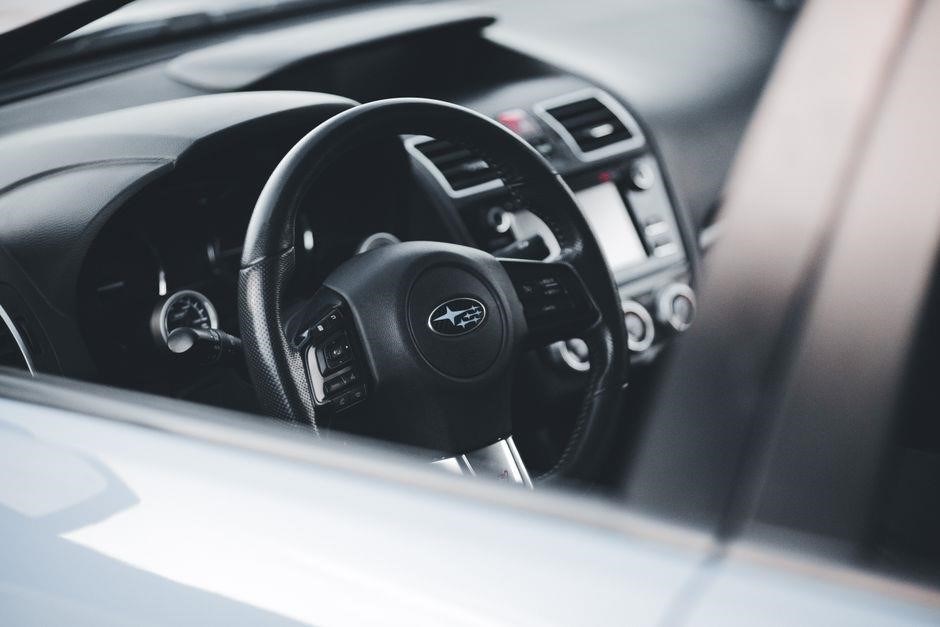
Infotainment and Connectivity
The 2015 Subaru Outback’s infotainment system features a 6․5‑inch touchscreen, Bluetooth, USB, and Apple CarPlay/Android Auto․ It offers navigation, voice control, and a premium audio interface for a connected drive․ Enjoy the ride!
Audio System and Control Inputs
The 2015 Subaru Outback features a 6․5‑inch touchscreen infotainment hub with a premium audio stack, Bluetooth, USB, and a dedicated navigation display․ Steering‑wheel controls and voice commands let drivers access the system safely․ The audio interface supports AM/FM, satellite radio, and Bluetooth streaming for hands‑free playback․ A USB port and AUX input connect portable media․ The software includes equalizer presets, a 10‑band graphic equalizer, and multi‑zone audio split for front‑rear separation․ Dedicated buttons on the steering wheel control volume, track selection, and input source․ Apple CarPlay and Android Auto provide smartphone integration for navigation, messaging, and music․ All controls are backlit and intuitive, with a clear on‑screen menu that updates in real time․ The Outback’s audio system offers balanced sound and enhances the driving experience on highway and off‑road adventures․ The system’s design emphasizes clarity, with a 10‑band equalizer, a sub‑woofer, and a 2‑way speaker setup that delivers crisp highs and rich lows․ All controls are accessible from the steering wheel, making operation effortless․ now․
Bluetooth and Smartphone Integration
The 2015 Outback supports Bluetooth 2․0+EDR for calling and audio streaming․ Pairing is done via the infotainment menu: select “Phone” → “Bluetooth” → “Add Device․” The system remembers up to 20 paired devices and displays recent call logs․ For music, the Bluetooth A2DP profile streams audio to the 10‑speaker system․ Apple CarPlay and Android Auto are not available; instead, the Outback offers a dedicated USB port iPod/iPhone and Android devices allowing music playback․ Voice‑control is accessed through the “Voice” button on the steering, enabling navigation prompts, call initiation, and audio control without touching the screen․ The system’s equalizer can be adjusted via the “Audio” menu, providing a tailored listening experience․ When a phone is connected, the Outback displays the name (if stored) and offers “Answer” or “Reject” options․ The Bluetooth stack also supports hands voice commands for navigation, such as “Navigate to nearest gas station,” which the system processes through the GPS․ The integration ensures that drivers can keep their hands on wheel and eyes on road while accessing phone functions and media․
Comfort and Safety Systems
The 2015 Outback features dual‑zone climate control, a rear‑view camera, and seat heating․ Vehicle Stability Control (VSC) and anti‑roll bars enhance handling, while airbags and seat belts provide occupant protection and safety tech․
Dual-Zone Climate Control Features
The 2015 Subaru Outback’s dual‑zone climate system lets the driver and front passenger set independent temperatures․ Each zone has its own dial and a touch‑screen display, and an “Auto” mode keeps the set temperature by adjusting fan speed and air flow․ The system switches automatically between recirculate and fresh‑air modes․ Seat heaters are built into the front seats, offering up to three heat levels for the driver and passenger, while the rear seats provide a single heat setting․ The climate panel shows real‑time temperature, fan speed, and air distribution direction․ A “Night” mode dims the display and lowers fan speed for a quieter cabin․ This dual‑zone setup is ideal for families, allowing each occupant to enjoy personalized comfort while the vehicle’s safety systems maintain a stable environment․ All features are designed to provide maximum comfort and safety for every journey․ Enjoy the ride with confidence․ Enjoy․ Now․
Vehicle Stability Control (VSC)
The 2015 Subaru Outback’s Vehicle Stability Control (VSC) system enhances safety by monitoring steering input, wheel speed, and yaw rate․ When the system detects a loss of traction, it automatically applies selective braking to individual wheels and reduces engine torque, helping the driver maintain directional control․ VSC works in tandem with the Electronic Brake‑Force Distribution (EBD) and the Anti‑Lock Braking System (ABS)․ The driver can disable VSC via the “VSC OFF” button located on the center console; however, the system remains active during emergency braking and cornering․ The dashboard displays a VSC status light that illuminates when the system is engaged․ If a fault is detected, a warning message appears, and the system may limit power to protect the vehicle․ Proper maintenance of tires, brakes, and suspension components is essential for optimal VSC performance․ Follow the owner’s manual for troubleshooting and service intervals․ This integrated safety package is designed to reduce skidding, improve handling, and increase confidence in adverse road conditions․ VSC is calibrated to respond within milliseconds, ensuring that the vehicle remains stable even during sudden maneuvers․ Thanks Enjoy․
Maintenance Guidelines
Follow the 2015 Outback owner’s manual for oil changes daily every 6,000 miles, tire rotations quarterly, and brake inspections․ Check coolant, transmission fluid, and VSC status․ Adhere to Subaru’s service schedule to ensure reliability․
Scheduled Oil and Filter Changes
According to the 2015 Subaru Outback owner’s manual, the recommended oil change interval is every 6,000 miles or 12 months, whichever comes first, when driving under normal conditions․ If the vehicle is operated in conditions—such as frequent short trips, towing or dusty environments—oil should be changed every 3,000 miles or six months․ The manual specifies using 0W‑20 synthetic motor oil that meets the Subaru specification․ The oil filter should be replaced at each oil change․ A quick procedure is: (1) warm the engine, (2) place a drain pan under the oil pan, (3) remove the drain plug, (4) let the oil drain completely, (5) replace the drain plug, (6) remove the old filter, (7) lubricate the new filter’s gasket with a small amount of oil, (8) install the new filter, (9) add the recommended amount of fresh oil, and (10) check the oil level with the dipstick․ The manual also advises inspecting the oil filter housing for leaks after each change and ensuring the oil level remains between the minimum and maximum marks․ Regular oil changes help maintain engine performance, reduce wear, and extend the vehicle’s lifespan․
Common Repair Checklist for Used Outbacks
When evaluating a pre‑owned 2015 Subaru Outback, owners should inspect several key systems that commonly develop issues․ First, the 2․5‑L boxer engine may exhibit oil leaks around the valve cover gasket; a visual check and oil level test can reveal this․ Second, the continuously variable transmission (CVT) often shows a whining noise or delayed acceleration—test the drive‑by‑wire throttle response and listen for any irregular sounds․ Third, the suspension bushings and sway bar links can wear, producing clunking noises over bumps; inspect for play or cracking․ Fourth, the dual‑zone climate control and heated seats rely on the HVAC control module; a diagnostic scan may flag error codes such as “HVAC‑FAIL․” Fifth, the rear‑view camera and backup sensors can fail; verify image clarity and sensor operation․ Lastly, check the battery and alternator for voltage output, as a weak charging system can cause starting problems․ Addressing these items early can prevent costly repairs later․ Owners should also review the vehicle’s service history for any major repairs, such as transmission rebuilds or suspension replacements, which can indicate underlying issues․ Regular inspections and timely maintenance help preserve reliability and resale value․